
Inflation and Your Fixed-Income Investments
Rising inflation can push interest rates up and bond values down. Learn how duration measures that risk and where municipal bonds may fit.


Rising inflation can push interest rates up and bond values down. Learn how duration measures that risk and where municipal bonds may fit.

This trap occurs during the critical time during the two years before a person retires and the three years after.
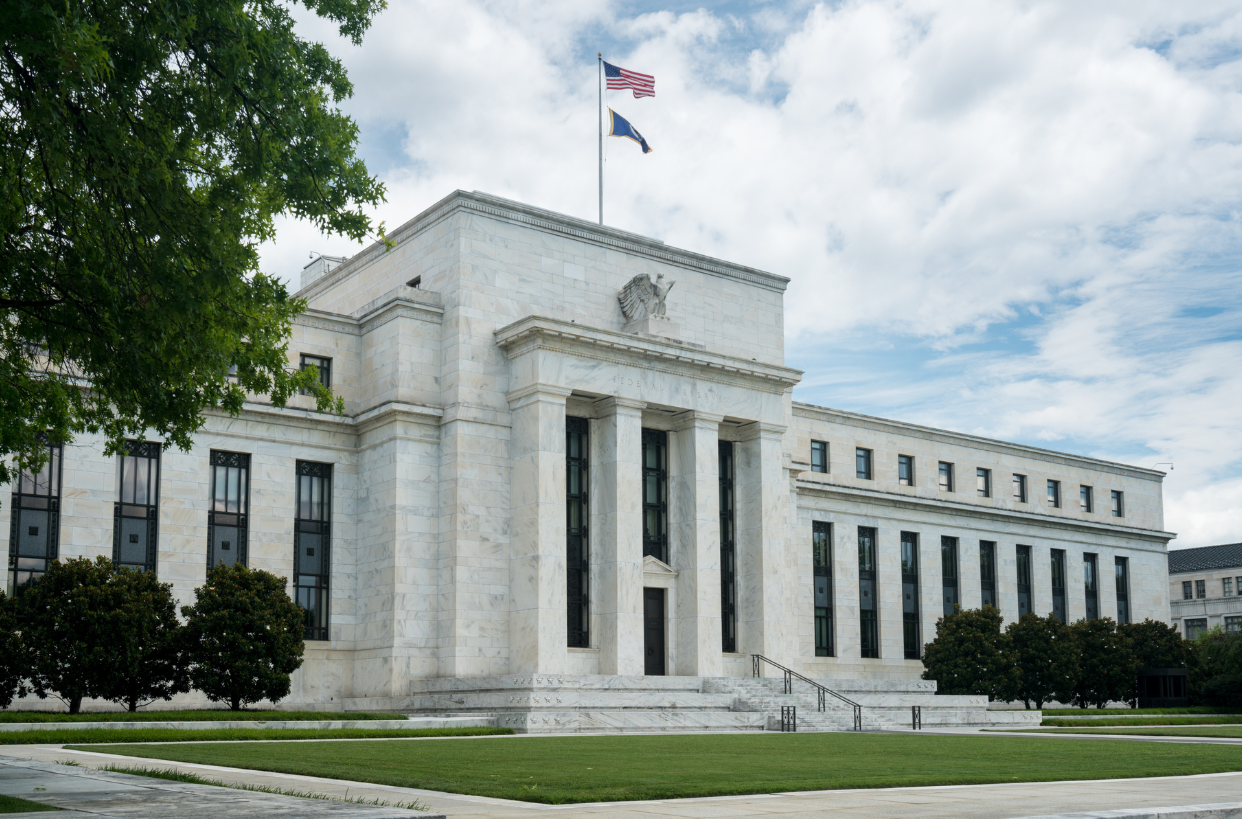
Fed rate cuts are coming, but long-term bond yields aren’t budging. Here’s our take on why the bond market is resisting and what that could mean next.

Many investors think their municipal bonds are safely tax-free—but the IRS’s de minimis rule can turn that “tax-free” income into taxable ordinary income at maturity. As year-end approaches, now’s the time for CPAs and advisors to review discounted bond holdings before this hidden tax trap catches clients off guard. Read more in our latest article.

The One Big Beautiful Bill may affect taxes, deductions, and credits now and in the years ahead.

Often, when contacted by a prospective client, the first question they ask is, “Are you a fiduciary?” Although this is excellent progress, the following question is equally important and one that many financial advisors may prefer to avoid, “Are you a ‘full-time’ fiduciary?”